Every element of a client visit in Singapore reflects on your company. The vehicle that meets them at Changi is the first one. Make sure it sets the right standard.
By Jovin Liau · 5 Mar 2026 · 8 min read
When an overseas client visits Singapore, the transport you arrange is not a logistics detail. It is a hospitality decision. The vehicle that meets them at Changi, the driver who carries their luggage, the cabin they sit in for thirty minutes on the way to their hotel — all of these are part of the first impression your company makes before any meeting begins.
This guide covers how to arrange client-facing transport in Singapore properly, from the airport arrival through to the end of the hosting programme.
A visiting client clearing customs at Changi should find two things waiting: their name on a namecard, and a chauffeur who already knows who they are. Not a driver checking a phone app, not a vehicle appearing five minutes after the client has been standing at the exit wondering where to go.
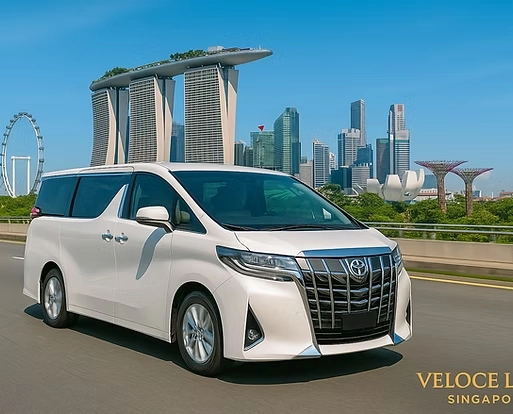
The arrival protocol: flight tracked from departure, chauffeur positioned at the arrivals hall 15 minutes before landing, name sign at the designated meeting point, luggage handled from the exit to the vehicle, cabin pre-cooled. The client’s first action in Singapore is stepping into an Alphard. Not queuing for a taxi.
For the full terminal-by-terminal arrival protocol including JetQuay CIP for private aviation, see our corporate airport transfer guide.
For a visiting client with a structured day — hotel to office, meetings, lunch, optional activity, dinner — hourly disposal is almost always the more efficient and more professional choice. One vehicle and driver, briefed on the full programme, available throughout the day without rebooking individual legs.
The driver handles the logistics while your hosting team focuses on the relationship. If a meeting runs long and the lunch timing shifts, the driver adjusts. If the client wants to stop somewhere between meetings, it is a WhatsApp to the driver, not a rebook through an app.
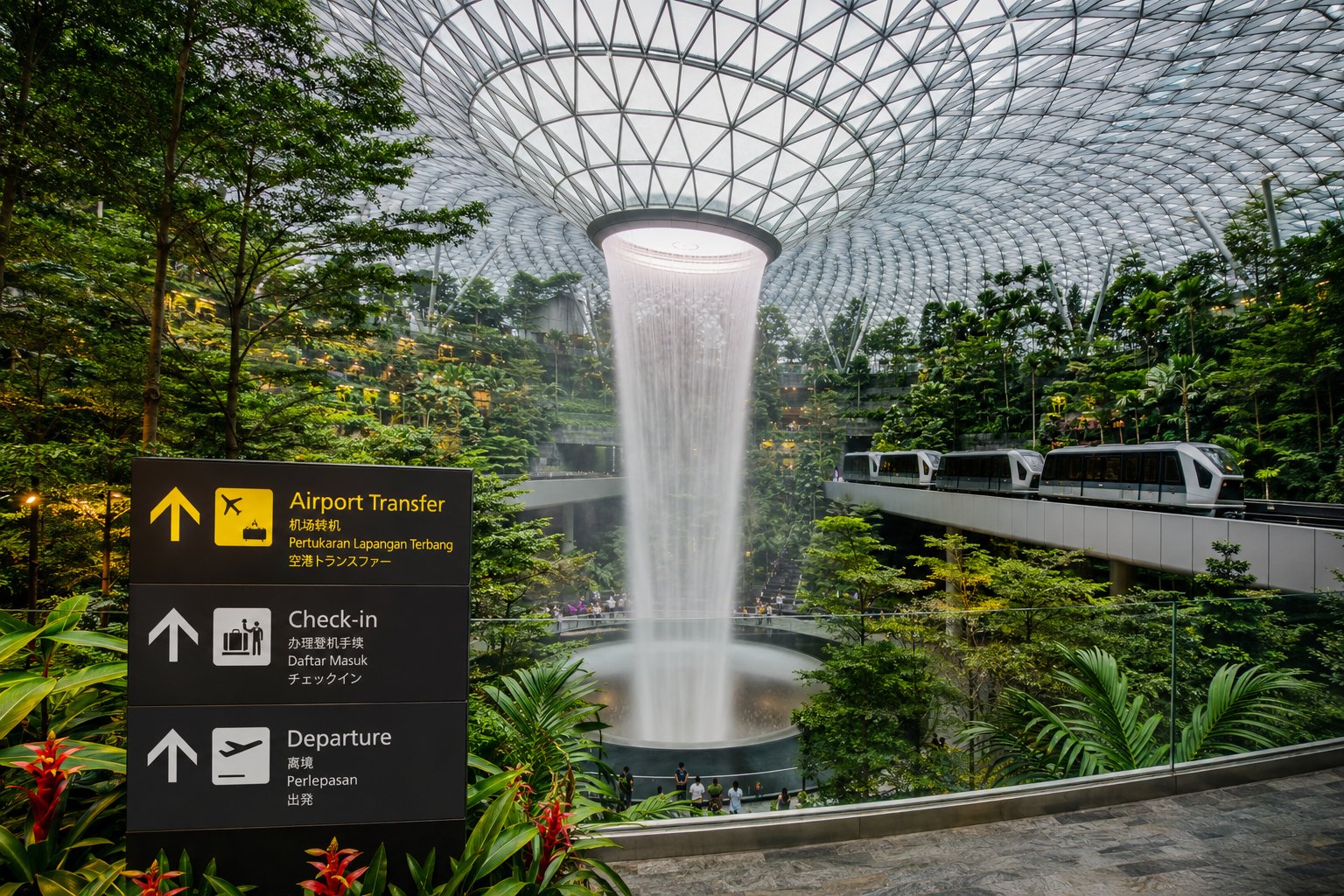
For a hosting programme that includes visits to Singapore landmarks — Gardens by the Bay in the evening, a Sentosa dinner, Jewel Changi on arrival — our Singapore Guides section covers Gardens by the Bay, Sentosa, and Jewel Changi with hosting recommendations for each.
Your client will not comment on the chauffeur if the service is correct. They will not think about it. The vehicle was there, the driver was professional, the luggage was handled, and the day moved smoothly. That is exactly the standard.
If the service is wrong — late arrival, unprofessional driver, the client asked for directions — they will remember it. Not because they are difficult, but because it disrupts the signal you are trying to send about how your company operates.
For how a visiting client experience connects to your broader corporate transport programme, see our executive chauffeur service page. To arrange transport for an upcoming client visit, WhatsApp +65 8092 7662 with the arrival details.
Ready to set up your corporate account?
WhatsApp us — a real person replies in 5–30 minutes.
WhatsApp +65 8092 7662Frequently asked questions
For a visiting client from overseas, the Toyota Alphard is the standard choice. Captain seats, a quiet cabin, and a formal chauffeur presentation communicate that the visit has been properly prepared for. An executive sedan is appropriate for a client you know well who prefers a lower profile. Avoid putting a visiting client in a vehicle that requires them to sit in the middle row of three — the Alphard's captain seating eliminates this issue.
For a visiting client with a full day programme — airport arrival, office meetings, lunch, optional activity, dinner — hourly disposal is more efficient than point-to-point booking for each leg. One vehicle, one driver, fully briefed on the day's schedule, available for real-time adjustments. The driver manages the logistics while your client focuses on the programme.
Book the airport transfer with the flight number, terminal, passenger name, and hotel destination. We track the flight, position the driver at arrivals 15 minutes before landing with a name sign, handle luggage, and deliver to the hotel. The client's first experience of Singapore is a formally attired chauffeur with their name, a waiting Alphard, and luggage handled without asking.
For a first-time Singapore visitor: Gardens by the Bay (Supertree evening show), Marina Bay Sands rooftop, or a waterfront dinner at Fullerton Bay. For a repeat visitor: Botanic Gardens morning walk with lunch at The Halia, Sentosa for an evening at Capella Singapore, or a private function room in the CBD. Transport between all these venues is covered under the same hourly booking.
Related reading
Article by
Jovin Liau
Jovin is a passionate strategist focused on building brands that define excellence. As the founder of Veloce Limo, he oversees premium transportation solutions for the shipping, energy, and events industries across Singapore and Malaysia. With a deep background in corporate sales and a commitment to "doing what you love," he specialises in blending operational rigour with a world-class customer experience.