A multi-day summit has three distinct transport phases — arrival day, programme days, and departure. Each requires a different fleet structure. This guide covers all three.
By Yeniece Low · 1 Jun 2026 · 7 min read
A multi-day corporate summit in Singapore — whether 50 delegates at Marina Bay Sands for 2 days or 200 at Singapore EXPO for 3 — has a transport requirement that changes significantly from one phase to the next. The arrival day is a logistics challenge of staggered individual pickups across an extended window. Programme days are about moving a defined group efficiently between hotel, venue, and off-site events on a structured schedule. Departure day is the arrival day in reverse, with fixed flight deadlines adding pressure to every transfer.
Treating all three phases with the same fleet structure is what causes summit transport to break down. This guide covers how to design each phase correctly.
Arrival day is characterised by unpredictability. Delegates arrive across a window that typically spans 6 to 12 hours — from the early morning long-haul arrivals to the afternoon regional connections. Flight delays compress some arrivals and extend others. Hotels may not have rooms ready for early arrivals, creating hotel lobby congestion.
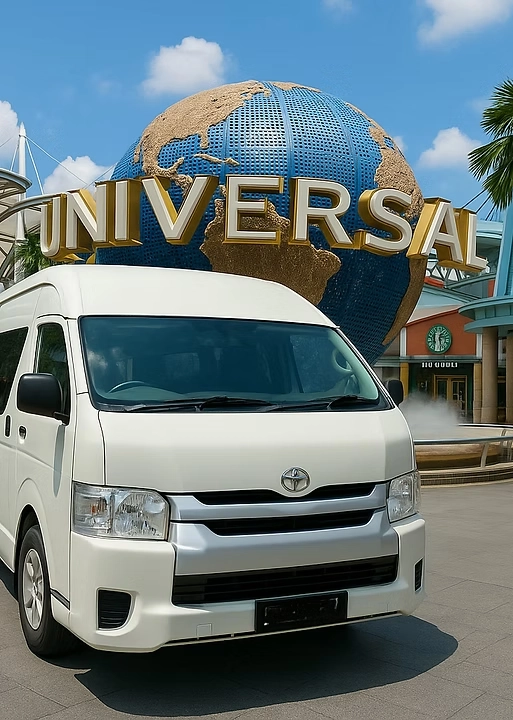
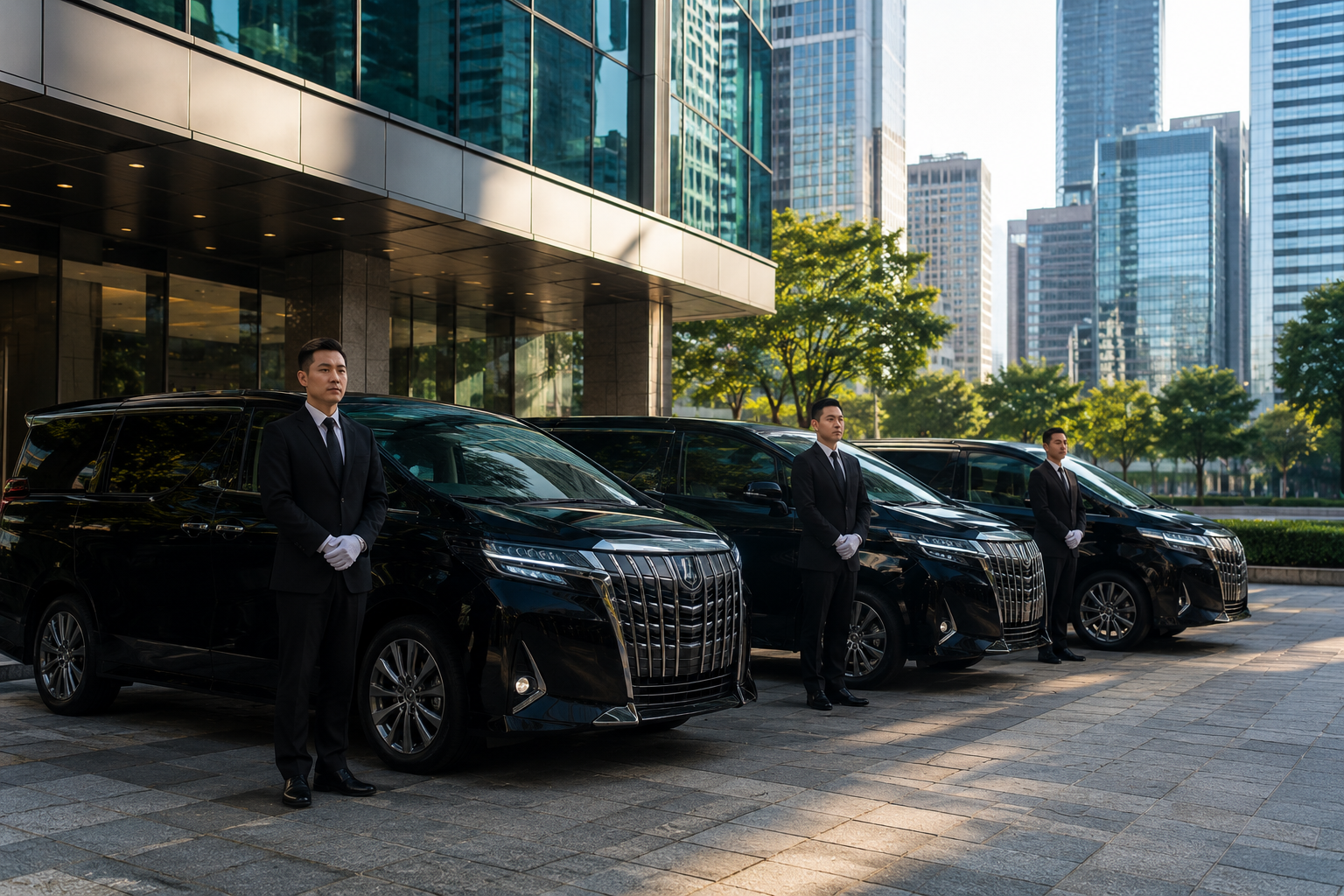
The fleet structure for arrival day: individual Alphards for VIP delegates (principals, keynote speakers, sponsors) with personalised meet-and-greet at each arrival. Shared MPVs or Hi-Roof Tourers for general delegates arriving within similar windows, coordinated to minimise wait time at Changi before the shared vehicle departs for the hotel.
A fleet coordinator manages the arrival window from a central WhatsApp channel, provides the EA with real-time status on each pickup, and adjusts vehicle staging as flight schedules shift through the day. The EA receives one update thread rather than individual messages from 12 different drivers.
Programme days are more predictable but higher volume. The full delegate group needs to move from hotel blocks to the conference venue at the start of the day, return to hotels at the end of formal sessions, and transfer to off-site dinner venues in the evening — then back to hotels at the end of the evening.
The morning hotel-to-venue transfer for a 200-delegate summit requires a fleet of coaches and MPVs running in rotation across a 45-minute departure window from each hotel block. The evening dinner transfer requires sequenced departures from the venue to avoid the entrance pile-up that makes a formal dinner arrival look chaotic.
The coordinator provides each day’s vehicle assignments and pickup times to the EA by 9pm the night before. Adjustments to the day’s schedule — a session running long, a dinner start time moved — go through the coordinator WhatsApp channel and are distributed to drivers in real time.
Departure day carries the highest consequence of any phase — a missed flight is a delegate relations failure with no recovery. Every departure transfer should have a 30-minute buffer beyond the minimum recommended airport timing. For a long-haul flight departing at 14:00, a 10:30 hotel pickup (3.5 hours before departure) is the correct timing, not 11:00.
Departure transfers are scheduled from the flight manifest provided at the start of the summit. The coordinator builds the departure sequence and provides each delegate with a pickup time confirmation the evening before their departure. Delegates should not need to ask what time their car is coming — it arrives in their phone the night before.
For the delegate arrival protocol including individual VIP meet-and-greet at Changi, see our overseas delegates transport guide. For the event transport structure for off-site dinners within the programme, see our event chauffeur service guide. To discuss the transport structure for a specific upcoming summit, WhatsApp +65 8092 7662 with the summit dates, venue, and expected delegate count.
Ready to set up your corporate account?
WhatsApp us — a real person replies in 5–30 minutes.
WhatsApp +65 8092 7662Frequently asked questions
Share the full summit brief with Chauffeur Service Singapore at +65 8092 7662: summit dates, venue, number of delegates and their tier (VIP principals vs general attendees), hotel block locations, and the daily programme schedule including all off-site dinners and activities. We design a fleet structure for each phase — arrival day transfers from Changi, daily venue shuttles, and departure transfers — under a single corporate account with daily coordinator contact.
Arrival day is the most complex: delegates arrive on different flights at different times across a window of 6 to 12 hours. Each arrival needs its own pickup. Programme days have a structured schedule with defined hotel pickup times, venue transfers, and off-site dinner movements — higher volume but more predictable. Departure day mirrors arrival day in reverse, with the added pressure that flight times are fixed and the buffer needs to be built into every pickup time.
Off-site dinners during a summit are handled as event transfers within the broader programme: a fleet of vehicles departs from the conference venue or hotel at a defined time, drops delegates at the dinner venue, and stages for the return transfer at the end of the evening. For formal dinners (Capella Sentosa, Raffles), individual Alphards for the most senior delegates plus larger vehicles for the broader group is the correct structure. Provide the dinner venue and expected end time at least 24 hours in advance.
For large summits, a dedicated airport arrival fleet runs separately from the venue shuttle fleet. Mixing the two creates scheduling conflicts — a vehicle committed to a conference shuttle cannot be redeployed for an airport pickup that runs late. For smaller summits of 20 to 30 delegates, a phased approach works: complete the morning arrival window, then transition the fleet to venue shuttles from the afternoon. The right structure depends on your arrival window and summit schedule.
Related reading

Article by
Yeniece Low
Yeniece is the co-founder of Veloce Limo and the business lead behind Chauffeur Service Singapore. She drives the company's B2B growth strategy, corporate account development, and digital presence. With a background in business development and a focus on building systems that scale, she ensures every client relationship is backed by operational rigour and commercial clarity.