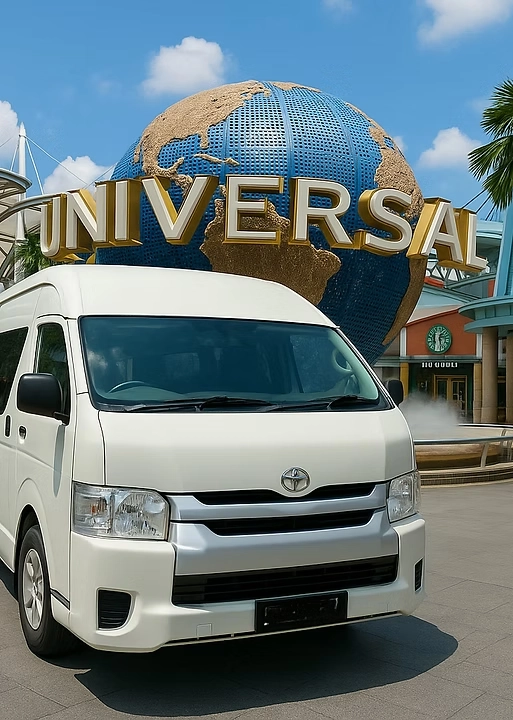
Little India is one of Singapore’s most distinctive neighbourhoods — and one of the most under-used for corporate hosting. When timed correctly and paired with the right venues, it delivers an experience clients remember.
By Jovin Liau · 10 Aug 2025 · 8 min read
Little India is the Singapore neighbourhood that corporate hosts most often overlook and visiting clients most often remember. It sits 15 minutes from the CBD by car, is completely different in character from the financial district, and provides an experience that no hotel lobby or Marina Bay restaurant can replicate.
The key is using it correctly. Little India as a passing tourist stop — a quick look at a temple before heading back to Orchard — is forgettable. Little India as a considered afternoon and early evening programme — walk, temple visit, dinner at a heritage restaurant — is the kind of Singapore experience clients bring up months later.
The most effective Little India client programme runs 3 to 4 hours, starting in the late afternoon. Begin at Sri Veeramakaliamman Temple on Serangoon Road — the most visually impressive of Singapore’s Tamil Hindu temples, with an active devotional atmosphere that is accessible to visitors. Allow 20 to 30 minutes at the temple.
Walk north along Serangoon Road through the shophouse corridor. The architecture — pre-war two-storey shophouses with ornate facades — is distinct from the rest of Singapore and photographs well. The street-level retail (garland vendors, sari shops, spice merchants) gives the walk texture that the CBD cannot.
For dinner, Muthu’s Curry on Race Course Road is the established corporate choice — North Indian cuisine, private dining rooms available, a name that clients from India in particular will recognize as authentic. Book in advance for weekday evenings. For a vegetarian client, Komala Vilas on Serangoon Road is the landmark South Indian vegetarian restaurant that has been operating since 1947.
For clients with more time, Little India pairs naturally with Kampong Glam (15 minutes by foot or 5 minutes by car). The Arab Street and Haji Lane precinct — the Sultan Mosque, heritage textile shops, and the boutique café and bar strip along Haji Lane — covers a different facet of Singapore’s multicultural character and makes for a coherent half-day neighbourhood circuit.
A combined Little India and Kampong Glam programme — leaving the CBD at 3pm, returning to the hotel or dinner venue by 8pm — covers more of Singapore’s genuine character than an entire evening at Orchard Road.
For transport, an hourly chauffeur booking covering the circuit is more practical than separate point-to-point transfers. The driver handles the logistics of the neighbourhood transitions while you focus on the hosting. Our executive chauffeur service covers the full programme from CBD pickup to final hotel drop-off.
Ready to set up your corporate account?
WhatsApp us — a real person replies in 5–30 minutes.
WhatsApp +65 8092 7662Frequently asked questions
Yes, selectively. Little India works well for clients who want to experience a genuinely different Singapore neighbourhood away from the CBD hospitality circuit. It is most appropriate for a late afternoon walk followed by an early dinner at one of the heritage restaurants — Komala Vilas or Muthu's Curry for vegetarian and North Indian cuisine respectively. Avoid weekend evenings when the area is at peak tourist density.
Weekday late afternoons between 3pm and 6pm are the best window for a client visit to Little India. The streets are active but not crowded, the light is good for walking, and the temples and shophouse architecture are easily accessible. Sunday evenings are the most crowded period — avoid for corporate hosting.
The Sri Veeramakaliamman Temple on Serangoon Road is the visual centrepiece — colourful gopuram, active place of worship, culturally distinct from anything in the CBD. The surrounding Serangoon Road shophouses, the Tekka Centre wet market (morning only), and the Haji Lane/Kampong Glam area nearby for a more curated retail and café experience. For clients interested in Singapore's multicultural history, Little India pairs naturally with Kampong Glam as a half-day neighbourhood circuit.
A chauffeur transfer from Raffles Place or Marina Bay to Little India takes approximately 15 to 20 minutes depending on traffic. Vehicle drop-off is at the junction of Serangoon Road and Race Course Road, convenient for the temple and the main restaurant strip. For a hosting programme that includes multiple neighbourhood visits, an hourly chauffeur booking covers the full circuit without rebooking between stops.
Related reading
Article by
Jovin Liau
Jovin is a passionate strategist focused on building brands that define excellence. As the founder of Veloce Limo, he oversees premium transportation solutions for the shipping, energy, and events industries across Singapore and Malaysia. With a deep background in corporate sales and a commitment to "doing what you love," he specialises in blending operational rigour with a world-class customer experience.